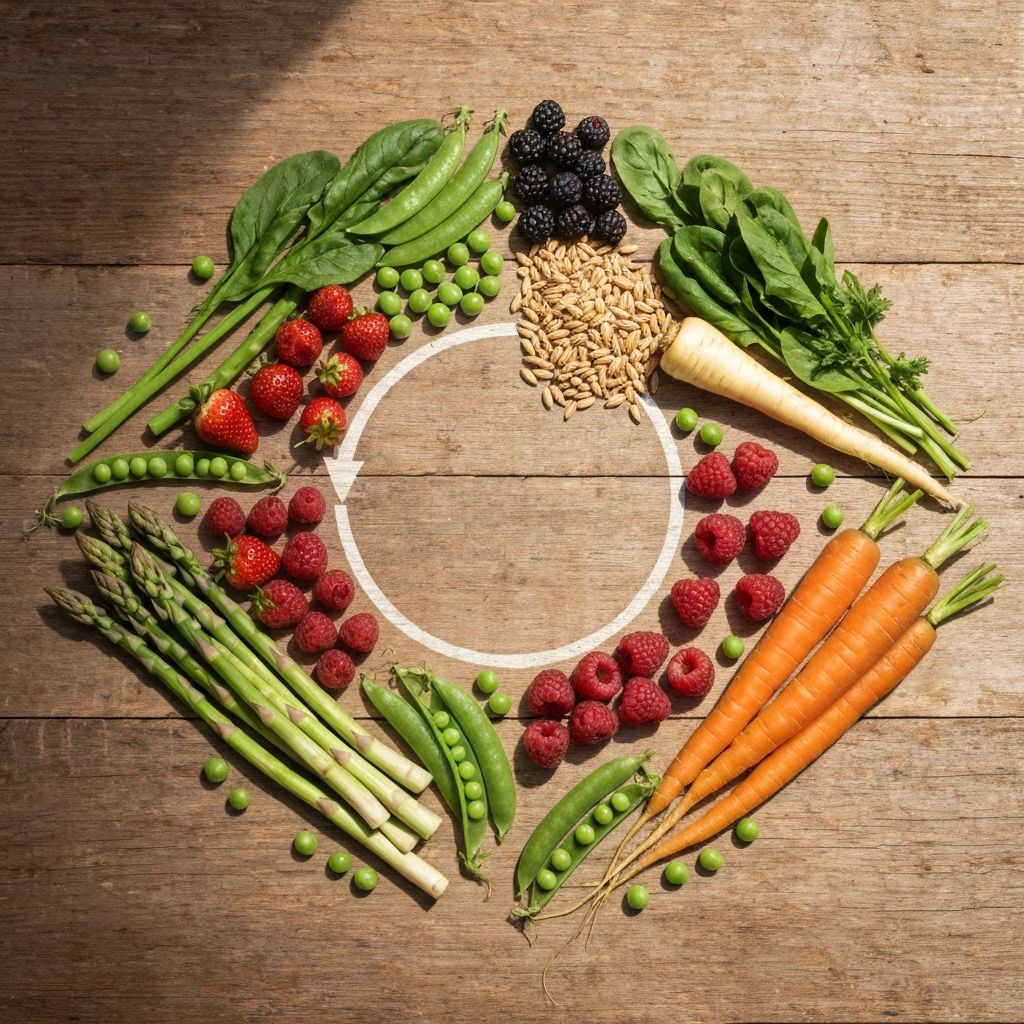
Seasonality in Southern English Food Traditions
Exploring how seasonal cycles have organized food practices in historical and contemporary Wessex contexts
Understanding Seasonal Food Systems
Seasonality has been the organizing principle of human food systems for millennia. In southern England and the Wessex region specifically, seasonal cycles determined what was available, abundant, preserved, or scarce at different times of year.
Before modern agricultural technologies and global trade networks, food systems were bound to local climate, soil conditions, and the growing season. Spring brought fresh greens and early vegetables. Summer offered berries, early vegetables, and the first grain harvests. Autumn brought apples, pears, late vegetables, and the main grain harvest. Winter meant reliance on stored foods, preserved items, and hardy root vegetables.
This was not a lifestyle choice but a biological and agricultural reality. Communities adapted their eating patterns to these natural cycles across the year.
Spring Foods in Wessex Traditions
Spring in the Wessex region brought the first fresh foods after winter's preserved foods. Young greens, herbs, and early vegetables emerged as daylight lengthened and temperatures warmed.
Traditional spring foraging and gardening practices provided fresh sources of nutrition during the season when winter stores had depleted. Leeks, greens, herbs like parsley and sorrel, and early vegetables like peas and beans began appearing. This seasonal abundance after winter scarcity was culturally and nutritionally significant.
Regional records and historical accounts document the importance of spring foods in Wessex foodways, reflecting the genuine relief and dietary shift that this season brought.
Summer Harvests and Preservation
Summer represented peak food abundance in traditional Wessex. Vegetables flourished, berries ripened, early grain harvests began, and fresh dairy products were plentiful.
This abundance, however, came with a significant challenge: preservation. Communities developed sophisticated methods to preserve summer's bounty for use throughout the year. Preservation techniques included fermentation, salting, smoking, drying, and storage.
The preservation of summer foods was essential to surviving winter and spring. Jams, pickled vegetables, salted fish, smoked meats, dried fruits, and stored root vegetables represented the strategies communities used to extend seasonal abundance across the entire year.
Autumn Abundance and Harvest Cycles
Autumn brought the main harvest in Wessex agricultural systems. Apples ripened in orchards, grains were harvested, nuts were gathered, and late vegetables were harvested. This was the season of maximum food production and the critical moment for preservation work.
Harvest time was culturally and socially significant. It brought communities together for collective work and celebration. Harvest traditions, festivals, and social gatherings reflected the importance of this season in the agricultural and cultural calendar.
The apples harvested in autumn were not only eaten fresh but preserved through cider-making, storage, and other preservation methods to provide nutrition and beverages throughout the year ahead.
Winter Foods and Storage
Winter tested the effectiveness of preservation efforts. Communities relied on stored foods, preserved items, dried grains, and hardy vegetables like turnips, parsnips, and other root crops that could withstand storage.
Winter diet differed significantly from other seasons. Fresh foods were limited, and preserved items dominated. Stored apples, preserved vegetables, dried fruits, cured meats and fish, cheese, and grains formed the basis of winter eating.
The quality and quantity of stored foods determined not only nutrition but community health through the winter months. Poor harvests or storage failures created genuine hardship, making preservation practices crucial to survival.
Contemporary Seasonal Patterns
While modern food systems have largely disconnected consumers from seasonal availability through global trade and storage technologies, seasonal patterns remain observable in contemporary Wessex regional food culture.
Farmers markets, local food initiatives, and regional food traditions still reflect seasonal cycles. Spring still brings fresh greens, summer still produces abundant vegetables and fruits, autumn still centers on apples and harvest celebrations, and winter still features root vegetables and preserved foods.
Contemporary interest in local and regional food often connects to these seasonal patterns, as communities rediscover the connection between seasons, agriculture, and food available in their region.
Nutritional and Cultural Significance
Seasonality shaped not only what people ate but how they understood nutrition, food preparation, and cultural celebration. Seasonal festivals, celebrations, and traditions often centered on key harvest moments and seasonal transitions.
Different seasons brought different nutritional profiles. Spring provided fresh minerals and vitamins after winter. Summer offered fresh nutrients. Autumn provided calories and preservation challenges. Winter required living off stored and preserved foods with different nutritional characteristics.
Understanding these patterns provides historical and cultural context for appreciating how traditional food systems responded to natural seasonality and how communities adapted eating practices to what their environment and agriculture provided throughout the year.
Educational Information: This article provides historical and informational context about traditional seasonal food patterns in Wessex. It is not personalized nutrition advice or recommendations. Different individuals have different dietary needs and approaches. This content explores historical practices and regional patterns for informational and educational purposes.
Explore More Articles
For more detailed explorations of Wessex food heritage and regional traditions: